


Preventing Sports Dental Injuries Effectively
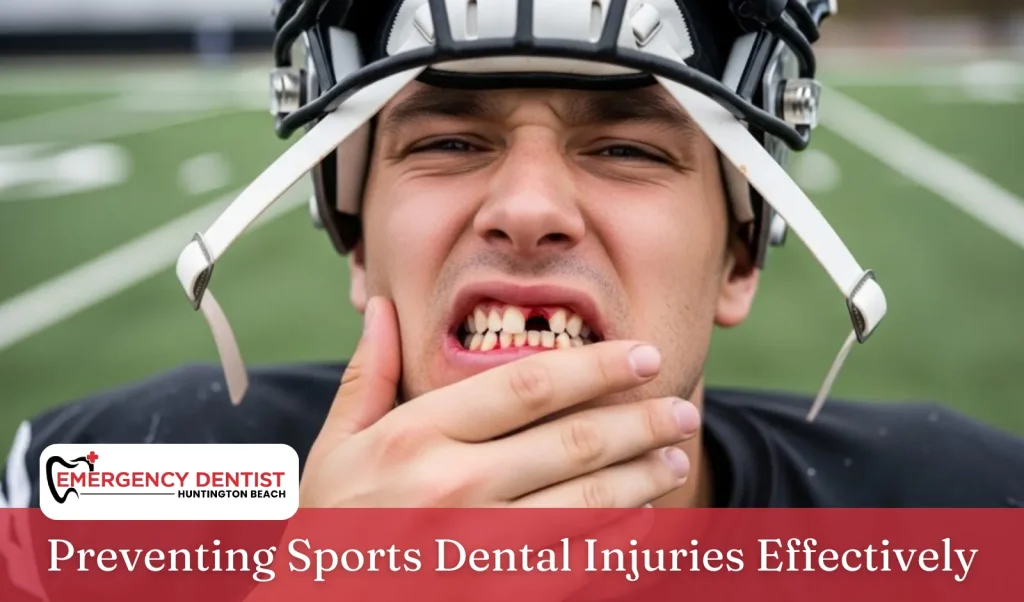
Playing sports keeps you healthy and confident, but it can also put your smile in danger. Every year, thousands of athletes experience sports-related dental injuries ranging from chipped teeth to broken jaws. Whether you’re a student athlete, casual player, or professional competitor, learning how to prevent sports dental injuries is essential for maintaining strong oral health and peak performance.
Contact sports such as football, basketball, hockey, and boxing often involve direct hits to the face. Even non-contact sports like gymnastics or cycling can result in unexpected accidents. Fortunately, most dental traumas are preventable with the right protective equipment and a properly fitted mouth guard. If an emergency happens, visiting an Emergency Dentist in Huntington Beach can provide quick, effective care to save your tooth.
In this article, you’ll discover simple ways to prevent sports dental injuries, the types of mouthguards available, and how a customized mouthguard can help you avoid tooth fractures, jaw fractures, and oral injuries.
Common Sports-Related Dental Injuries

Anyone who participates in athletics can suffer from sports-related dental injuries. They can occur without warning and range from minor to severe:
- Tooth fractures: Cracks or breaks caused by sudden impact.
- Tooth avulsion: A tooth that’s completely knocked out of its socket.
- Soft tissue injuries: Cuts or bruises affecting the lips, tongue, or cheeks.
- Jaw fractures: Powerful blows that dislocate or break the jawbone.
Even a small chip or crack can lead to sensitivity or infection if ignored. Proper preventive care helps maintain long-term oral health and avoids permanent damage.
How to Prevent Sports Dental Injuries
The best defense against sports-related dental injuries is consistently wearing a mouthguard during games and practices. Mouthguards cushion your teeth, lips, and jaw, greatly lowering the chance of oral injury and tooth fractures. They’re essential for contact sports and smart protection for any activity that risks collisions or falls.
Smart Prevention Tips
- Use protective equipment: Helmets, face shields, and mouth guards absorb shock and help in preventing dental injuries.
- Ensure a proper fit: Ill-fitting guards can slip and offer less protection.
- Maintain good oral hygiene: Healthy teeth and gums are more resilient to impact.
- For athletes who wear braces: Choose customized mouthguards built to protect both teeth and braces from dental traumas.
By following these precautions, you’ll reduce your risk of injury and keep your smile safe throughout the season.
Types of Mouthguards and Their Benefits

Not all mouthguards provide equal safety. Understanding the types of mouthguards helps you select the right one for comfort and performance.
1. Stock Mouthguards
Stock mouthguards are inexpensive and pre-made but often fit poorly. They may feel bulky and make breathing or speaking difficult. Because they offer minimal protection, they’re not ideal for serious athletes.
2. Boil and Bite Mouthguards
Made from thermoplastic material, boil and bite mouthguards soften in hot water and are then molded to your teeth. They offer a semi-custom fit and moderate protection, making them a common choice among recreational players.
3. Customized Mouthguards
A customized mouthguard is created by your dentist from an impression of your teeth. It provides the best fit, durability, and protection. This type allows easy breathing and clear speech while preventing dental traumas like tooth fractures, soft tissue injuries, and jaw fractures.
The American Dental Association and National Federation of State High School Associations recommend customized mouthguards because they:
- Offer a personalized fit for maximum protection and comfort.
- Improve performance by allowing natural breathing and speaking.
- Provide long-lasting materials that outlast store-bought versions.
- Deliver complete coverage for teeth, lips, tongue, and jaw.
Choosing a customized mouthguard is an excellent investment for reducing the risk of sports-related dental injuries while enhancing your confidence on the field.
Additional Tips for Preventing Dental Injuries

Mouthguards are vital, but there are other ways to protect your teeth and oral health:
- Schedule regular dental visits: Routine checkups allow early detection of wear, cracks, or weakened enamel.
- Replace worn mouthguards: A flattened or damaged mouth guard can’t absorb impact properly.
- Wear the correct gear: Helmets and chin straps support mouthguard protection.
- Avoid chewing hard objects: Ice, pens, and bottle caps can cause tooth fractures.
- Warm up before play: Stretching jaw muscles helps prevent jaw fractures and stiffness.
Following these small yet effective habits helps in reducing the risk of oral injury and ensures long-term oral health.
When to Visit an Emergency Dentist After a Sports Injury
Even with the best protection, accidents can still occur. If you experience a dental trauma, visit an Emergency Dentist in Huntington Beach immediately. Acting quickly can often save your tooth and prevent complications.
Seek urgent dental care if you have:
- A tooth avulsion (knocked-out tooth)
- Deep tooth fractures or cracks
- Excessive bleeding from soft tissue injuries
- Severe pain or swelling in the jaw
If a tooth is knocked out, place it in milk or saline and bring it to your dentist within 30 minutes. Prompt treatment gives the best chance of successful reattachment.
Conclusion
Your teeth deserve the same level of protection as the rest of your body. Using customized mouthguards and dependable protective equipment is one of the smartest choices an athlete can make.
Preventing dental injuries is easier, and far less expensive, than repairing them later. By wearing a mouthguard, maintaining good oral hygiene, and scheduling routine checkups, you can play confidently knowing your smile is safe.
If an accident happens, an Emergency Dentist in Huntington Beach can provide fast, professional care and help you return to the game, pain-free and smiling again.
Frequently Asked Questions
How can athletes effectively prevent sports dental injuries?
Athletes can prevent sports dental injuries by wearing a mouthguard, using proper protective equipment, and keeping strong oral health through regular dental care.
Which type of mouthguard offers the best protection?
A customized mouthguard made by a dentist offers the highest level of comfort, durability, and defense against dental traumas, tooth fractures, and jaw fractures.
Are boil and bite mouthguards effective?
Yes. Boil and bite mouthguards give a semi-custom fit and provide moderate protection for athletes seeking an affordable way to reduce the risk of oral injury.
Why do dental professionals recommend customized mouthguards?
The American Dental Association and National Federation of State High School Associations recommend customized mouthguards because they fit precisely, last longer, and offer superior oral protection.


